
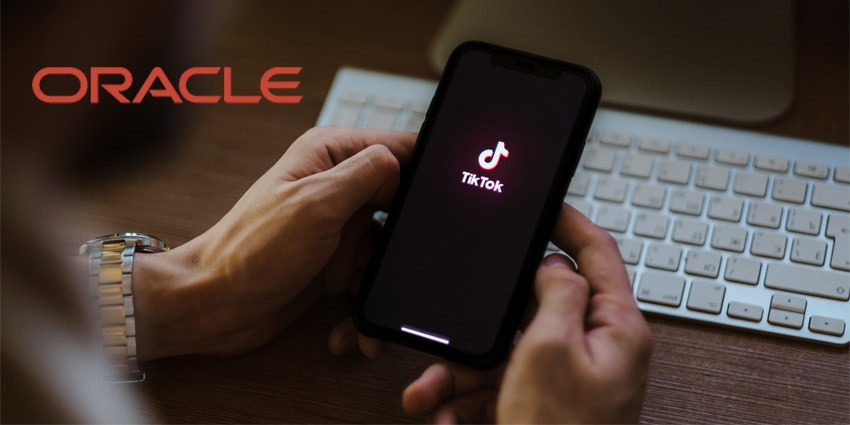
Earlier this week, parts of TikTok were knocked offline due to an Oracle cloud outage.
This marked the second time in just over a month that the vendor caused the social media behemoth to go dark.
Oracle Cloud Infrastructure's US East (Ashburn) region began experiencing connection timeouts and elevated latency on the afternoon of the 3rd of March, with the root cause not identified until just after midnight.
This means that some US TikTok users had been dealing with a degraded or completely broken experience for the better part of 10 hours.
The TikTok USDS Joint Venture – formed following TikTok's US ownership restructuring, in which Oracle holds a 15% stake – posted a statement on X:
“An issue with an Oracle data center is impacting some parts of the TikTok U.S. user experience. Creators may temporarily experience lags in posting content while Oracle works to resolve the issue.”
The response from users was less diplomatic. Replying to Oracle's assurance that it was “working quickly to restore normal service operation,” one user fired back: “do y'all ever plan on getting it back up?? this is ridiculous. 10hrs is not quickly restoring services.”
For the CX industry, the more pressing takeaway is less about TikTok specifically, and more about what happens when a customer-facing platform collapses because of a single cloud provider.
A Pattern That's Becoming Difficult to Explain Away
As noted above, this was not a one-off. A winter storm took out another Oracle data center in early February, which again impacted TikTok.
Two significant outages in five weeks make Oracle CEO Larry Ellison's 2022 claim that the company's cloud “doesn't go down” increasingly hard to defend.
To be fair to Oracle, it isn't the only cloud provider that's had to answer for reliability failures recently.
AWS and Azure both experienced notable regional outages in late 2025.
In response to these outages, Gartner Distinguished VP Analyst Lydia Leong wrote in an article titled, Don’t Let Outages Erode Your Trust in the Cloud:
“No cloud provider can promise zero downtime. What sets IT leaders apart isn't whether they avoid incidents altogether; it's how they prepare and respond.”
That message carries more weight given Forrester’s recent forecasting. In the company’s Predictions 2026: Cloud Computing Report, the analyst firm predicted that at least two major multiday cloud outages will occur this year.