Anthropic is reportedly in talks to acquire Decart, an Israeli AI startup, for around $6bn.
If the deal goes ahead, it would be one of Anthropic’s biggest moves to date.
It could also raise an intriguing question for retailers: what happens when a company best known for conversational AI gets access to real-time generative video technology?
Bloomberg reported that Anthropic is interested in Decart partly because the startup can help make AI training and inference more efficient.
However, Decart is not only an infrastructure company.
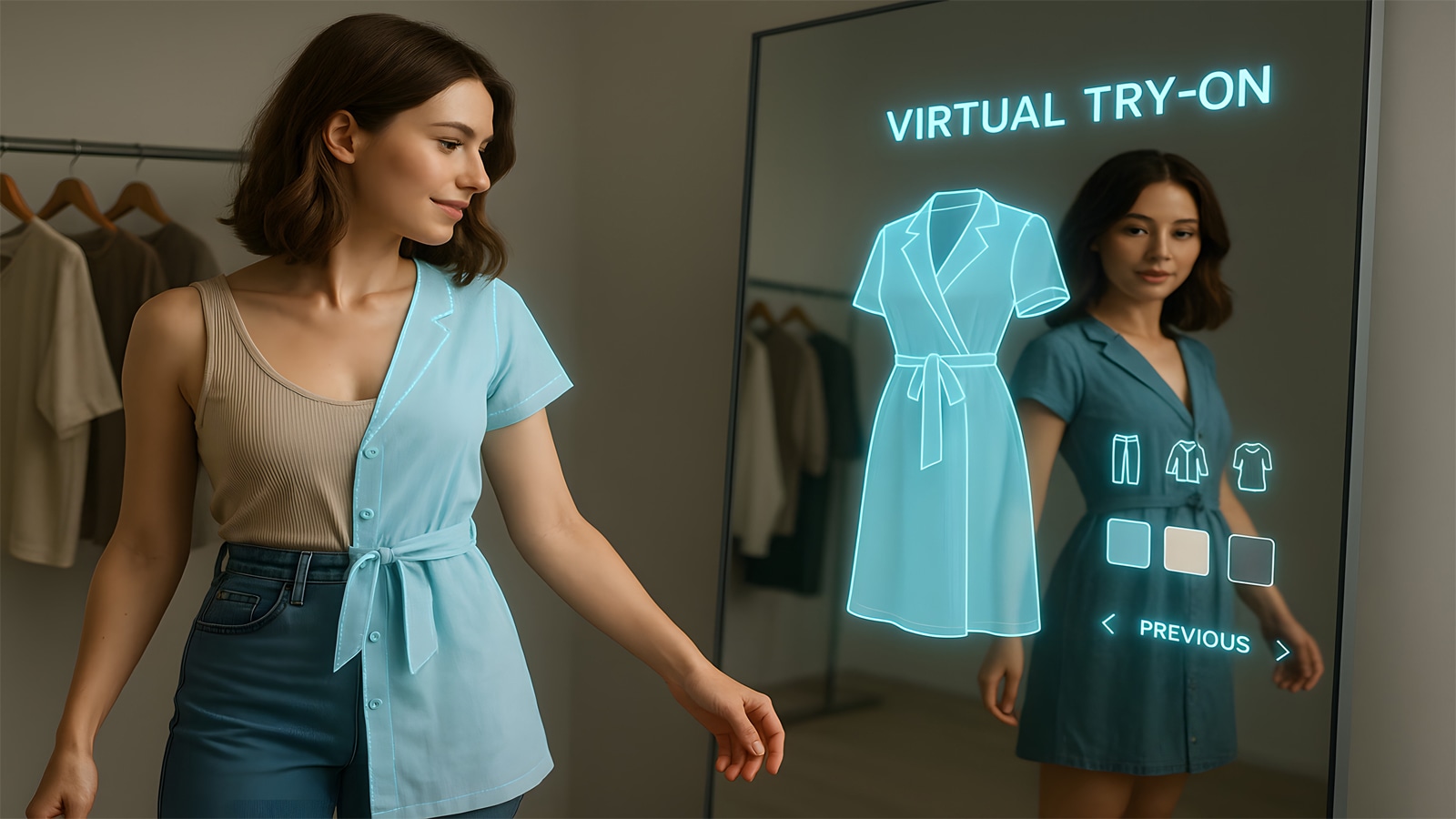
Its Lucy model can transform live video in real time, with use cases ranging from virtual try-on and product placement to gaming and advertising.
On its website, Decart says: “We build the infrastructure and models that make AI run at the speed of reality.”
The company's claim hints at a customer experience opportunity that extends well beyond the chatbot.
To be clear, there has been no suggestion that Anthropic is buying Decart to launch retail CX tools, virtual try-on, or video customer service. The acquisition has not been confirmed, and the talks could still fall through.
Still, Decart’s technology makes it reasonable to consider what a Claude-powered, real-time visual shopping experience could eventually look like.
Retail CX Is Looking Beyond Chat
Many retailers have spent the past two years experimenting with generative AI assistants.
Most of those deployments have focused on familiar use cases: product search, order tracking, returns, FAQs, and recommendations.
They can make service quicker and help customers find the right information. But chat has limits, particularly when a purchase decision is visual.
A customer shopping for a jacket does not simply want to know whether it is available in medium. They may want to see how it looks on them, compare colors, ask whether it suits a particular occasion, and check whether it can arrive before the weekend.
That is where real-time video could change the experience.
Decart’s virtual try-on tools allow shoppers to use a live camera feed to see clothing and accessories on their body, without relying solely on a static uploaded photo. The company says its technology can preserve a subject’s motion and body shape while changing garments during a live session.
In theory, adding a conversational layer could make that experience even more sophisticated.
A customer could tell an AI assistant they need an outfit for a wedding, specify a budget, and explain what styles they usually wear. The assistant could surface available products, answer questions about fabrics and delivery, and then guide the shopper through a live visual try-on.