
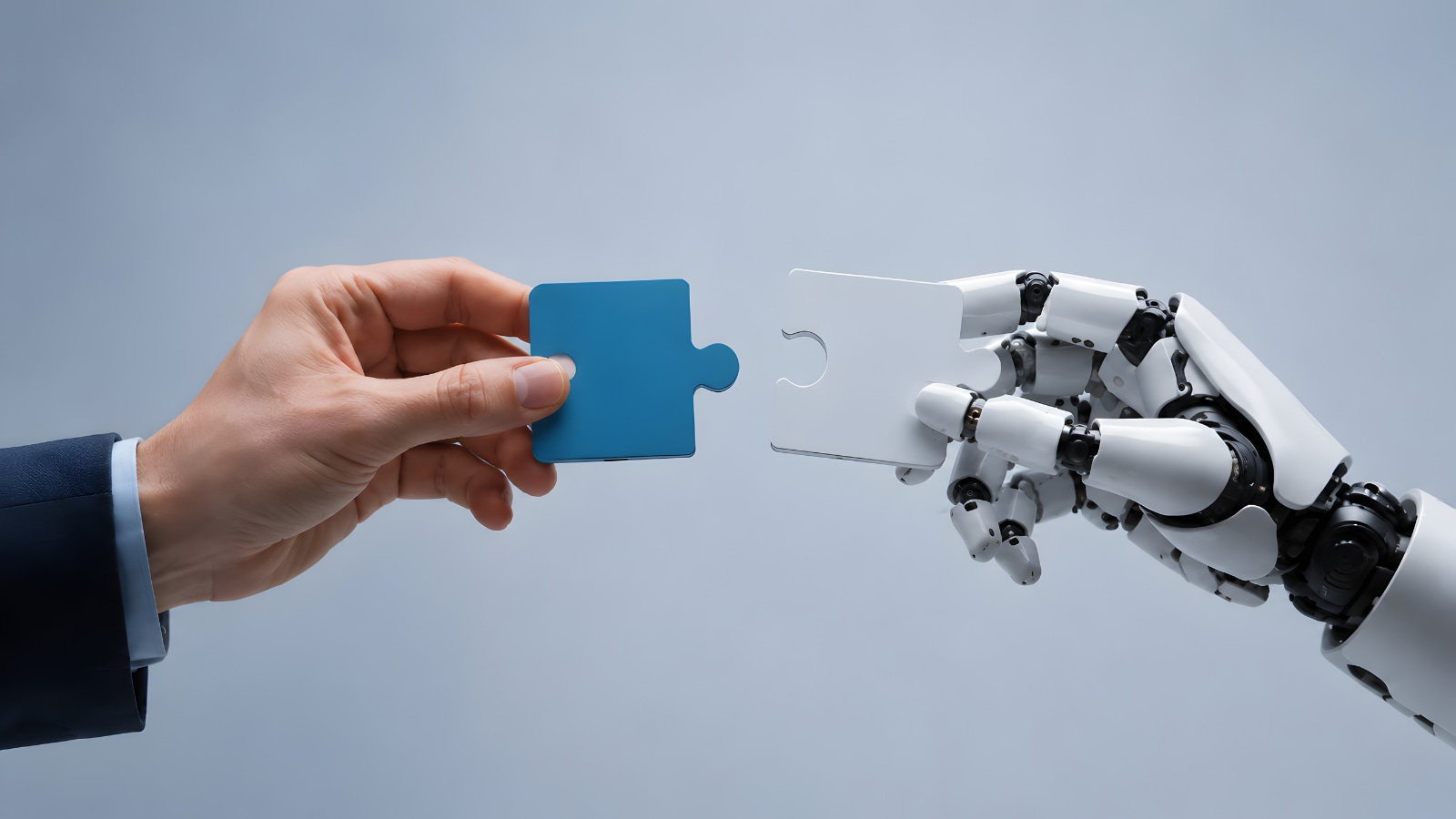
Recently, workforce engagement management is shifting from managing human capacity in isolation to orchestrating a blended workforce of people and AI.
As automation absorbs more routine and complex customer interactions, WEM teams will need to rethink forecasting, staffing, skills, and role design around changing sources of capacity.
At the same time, AI is becoming the interface through which employees interact with workforce systems, reducing administrative friction and giving frontline workers more control over their schedules.
As WEM moves beyond traditional scheduling toward continuous workforce orchestration, businesses will now need to balance human skills, AI capacity, and ever-growing customer demands in real time.
Wipro Creates 20,000 More Employees with AI Without Replacing Its Existing Workforce
Gobal technology services provider, Wipro, is claiming that AI has created capacity equivalent to 20,000 employees.
Whilst this news, if true, could be a justified-enough excuse to replace employees, the company has announced its decision to redeploy rather than remove, shifting toward a “human-AI operating model”.
With AI layoffs now becoming a number one trend within the tech and CX space, those that can retain employees whilst adapting to technology shifts will be in a better position when the next technology trend arrives.
With more than 100,000 of its employees currently receiving AI training, Wipro’s frontline customer service workers are now encouraged to manage multiple AI agents, move into different projects, or develop new skills that continue to benefit CX.
By introducing workforce redesign over replacement, WEM leaders in similar positions will need to rethink their staff models by reworking teams around the advancements of AI, deploying frontline workers to more complex, human-driven tasks.
Microsoft Brings Workforce Management Into the AI Conversation
On September 3rd, Microsoft announced its new WEM MCP tools for Dynamics 365 Service Agent, bringing routine workforce tasks into the same conversational AI interfaces employees already use.