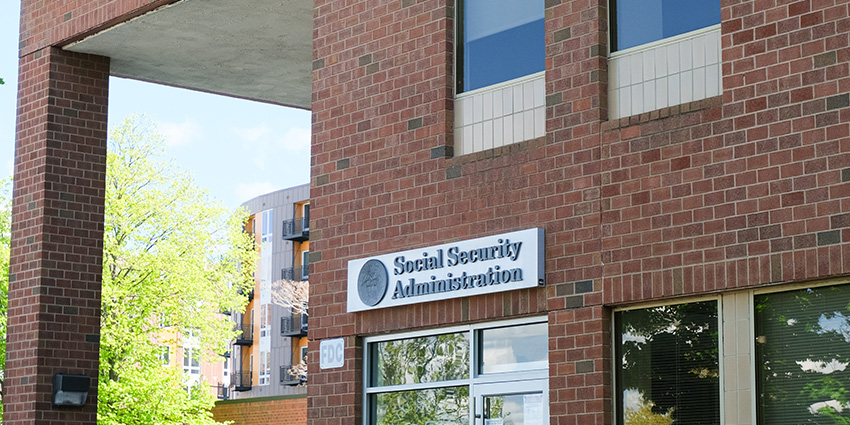

A group of U.S. senators has opened an investigation into deteriorating customer service at the Social Security Administration (SSA), warning that staffing cuts and internal workforce changes are causing a “customer service crisis” at the agency.
The inquiry, led by Senators Elizabeth Warren and Tammy Baldwin, centers on decisions by SSA Commissioner Frank Bisignano that lawmakers say have strained frontline operations and disrupted the agency’s ability to serve the nearly 75 million people who use Social Security benefits.
In a letter to the commissioner, the senators argued that internal staffing shifts are failing to address deeper operational issues affecting customer experience.
“Staff reassignments are band-aid solutions to patch over ongoing service problems that have plagued the agency under your leadership.”
The investigation highlights the operational challenges large public service organizations face as they balance workforce constraints with rising demand for citizen services.
Workforce Cuts Leave SSA Struggling to Maintain Service Levels
The inquiry follows a sharp reduction in SSA staffing levels over the past year. According to congressional offices, the agency’s workforce has fallen by more than 7,000 employees under the administration of Donald Trump.
As a result, field offices now average roughly one representative for every 4,000 beneficiaries, a ratio that is approximately 12 percent higher than before the cuts. Some rural offices have been forced to close completely.
The cuts have translated directly into operational strain. Field offices now average roughly one representative for every 4,000 beneficiaries, which is about 12 percent higher than before the workforce reductions.
With more than 100,000 people visiting SSA offices each day, senators argue that the shortfall in staffing is directly affecting service delivery.
“Instead of fixing those problems, Bisignano has attempted to cover up the mess by reassigning employees and seeking technological shortcuts to paper over staff shortages,” Baldwin stated.
A recent survey of SSA staff conducted by the Strategic Organizing Center found that 84 percent of workers reported heavier workloads in 2025, reflecting rising service demand alongside shrinking staff capacity. The report stated:
“Worse workloads contribute to degrading the speed and quality of service to the public, with more than two thirds (70%) of surveyed workers reporting that service speed for the public has decreased and a similar amount (65%) reporting that the quality of service they are able to provide has deteriorated.”
The agency has also attempted to reduce in-person visits by shifting interactions toward phone and digital channels. However, lawmakers warn that channel transitions can create additional strain when staffing levels and operational capacity fail to align with rising demand.
Senators Raise Concerns Over Training for Reassigned Staff
The senators’ investigation focuses on the agency’s growing reliance on employee reassignments rather than new hires to manage high call volumes.
According to the letter, staff from departments including disability adjudication, financial management, risk and quality oversight, digital services, and the chief information officer’s office have been reassigned to support SSA’s national phone line.
Some of those employees are receiving minimal preparation before taking calls, the lawmakers wrote.
“Reassigned employees are reportedly now only receiving three hours of training before starting on the SSA help line, despite the agency claiming they would receive eight hours of training.”
Employees with experience on the national helpline say even eight hours would be insufficient because of the complexity of issues raised by callers seeking assistance with benefits, disability claims, or eligibility questions.
The senators warn that redirecting specialized staff from their core functions to frontline service roles could introduce new operational risks while also increase processing delays and claims backlogs across the agency. The lawmakers wrote:
“When SSA pulls employees away from already understaffed field offices or from processing backlogs in claims, customer service and the timely delivery of benefits suffer.”
The senators have asked Commissioner Bisignano to provide detailed information about the scope and duration of employee reassignments, as well as the agency’s internal customer service metrics, by March 27.
The Customer Service Challenge for Public Services
The SSA’s situation highlights a wider challenge facing large public-sector service organizations attempting to maintain consistent customer service while navigating workforce pressures and modernization efforts.
The agency has simultaneously attempted to reduce in-person visits by more than 15 million per year, pushing beneficiaries toward digital and phone channels.
However, large-scale channel shifts can create friction when workforce capacity, training, and service design are not aligned.
The agency’s Office of the Inspector General has already identified service delivery as a major operational challenge, noting that staffing shortages and coordination issues across field offices, processing centers, and teleservice operations can lead to delays in resolving beneficiary cases.
Similar customer challenges have surfaced across public-sector organizations undergoing modernization efforts. For example, Canada Revenue Agency (CRA) was forced to rehire some customer service agents and ramp up self-service tools in response to ongoing complaints about long wait times on its phone lines.
And the U.S. Inland Revenue Service (IRS) has turned to Salesforce’s Agentforce platform to automate tasks across several divisions as it tries to keep services running with its workforce down by a quarter after government efficiency cuts.
The investigation into the SSA highlights how operational decisions inside public agencies can quickly affect service access and citizen trust.