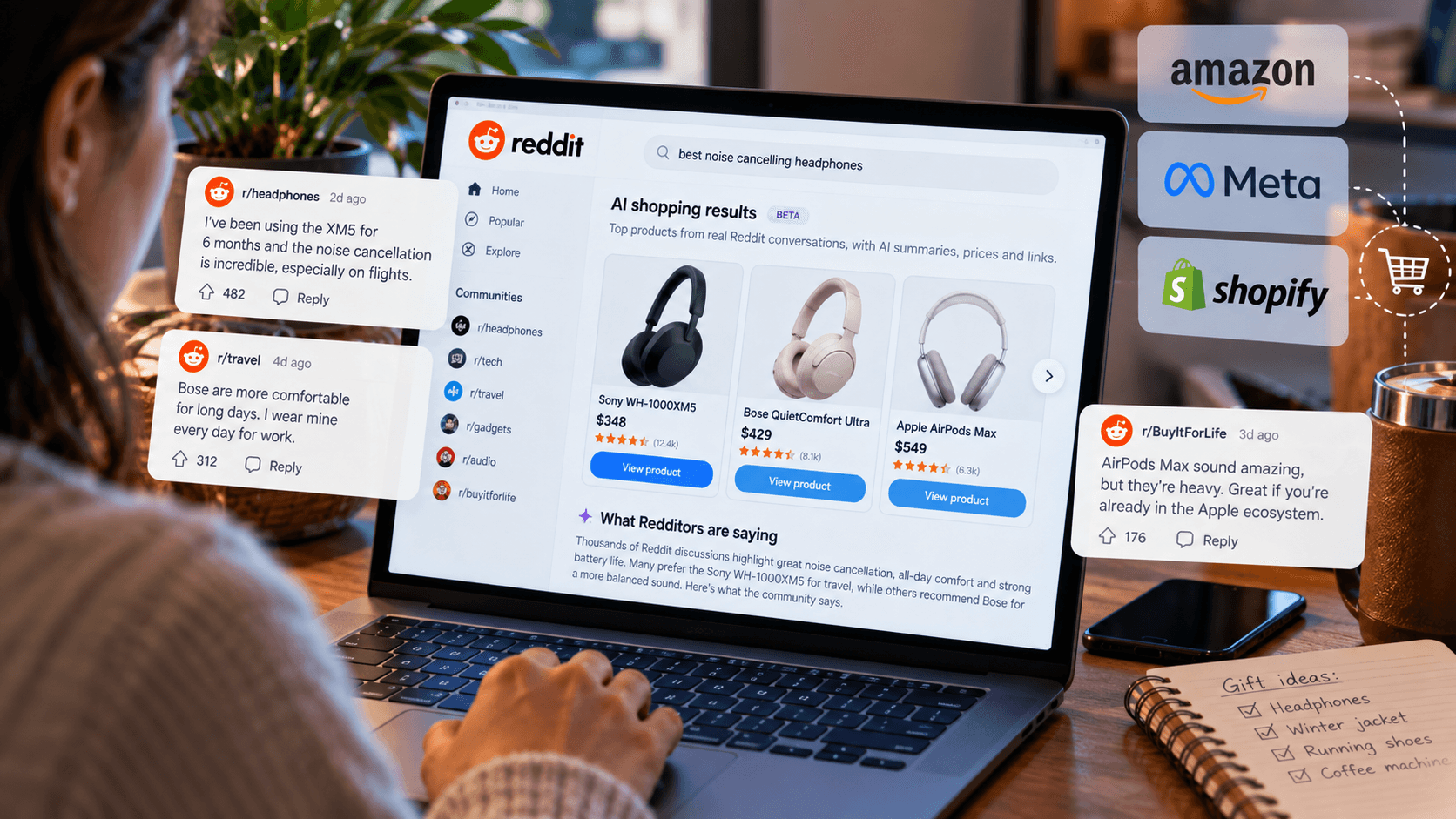
If your “community” lives entirely on social media, you are not building an asset. You are leasing attention. And the landlord can change the rules whenever it wants. That is the core community vs social media problem. A social following can look like momentum, but it is still an owned vs rented audience reality: algorithms decide who sees you, data access is limited, and platform policies can shift overnight.
For enterprise teams, this creates long-term strategic risk. A strong enterprise community strategy takes what works in B2B social engagement and moves it into an owned environment, where your brand controls identity, governance, and insight. The end goal is not “more posts.” It is a branded online community that improves retention, reduces support friction, and produces reliable signals your teams can use.
Read More
What Is the Difference Between a Community and Social Media Audience?
A community is a relationship system. A social audience is a distribution outcome.
On social platforms, you rent reach. Your “members” are mostly followers. The platform owns the identity layer, controls discovery, and limits what you can know about people beyond surface analytics.
In an owned community, membership is explicit. People sign in. They build profiles. They create searchable knowledge. That turns engagement into usable data. It also creates continuity across onboarding, support, and adoption.
This is why CX Today frames community as CX infrastructure, not a side channel. It becomes a place customers rely on during the entire lifecycle, not just a place to react to posts.
Why Are Enterprises Moving from Social Platforms to Owned Communities?
Because enterprises are tired of building on shifting ground.
Owned communities stabilize experience when everything else fragments. They help you capture real voice-of-customer signals, not just likes. They also support peer-to-peer support and validation, which is critical in B2B buying cycles where trust and proof matter.
They also make retention work easier. Community-led CX can reduce churn by accelerating time-to-value, lowering support friction, and surfacing early risk signals through engagement patterns.
Forrester has also argued that customer community platforms are becoming action hubs when they connect into the wider ecosystem, like support tools, CRM, and marketing automation. That is where “conversation” turns into operational value.
What Risks Do Brands Face When Relying on Social Algorithms?
Social is useful, but it is not safe as your primary home base.
Here are the big risks that tend to show up in consideration-stage buying committees:
- Algorithm risk: Reach can drop even when content quality stays high. You do not control distribution.
- Data limitations: You get platform analytics, not durable first-party insight tied to lifecycle outcomes.
- Access risk: Account restrictions, policy changes, or shifts in platform priorities can cut you off.
- Measurement risk: Engagement is easy to count but hard to connect to adoption, renewals, and support deflection.
- Escalating “rent”: Paid reach becomes the bridge for consistent visibility as organic reach fluctuates.
That is why “rented audience” language keeps popping up in modern marketing strategy. Your relationship is mediated by a third party. Your ability to reach people depends on rules you do not set.
How Do Owned Communities Improve Customer Engagement Data?
Owned communities produce data you can actually operationalize.
Instead of asking “what performed,” you can answer questions like:
- Which topics predict renewal risk?
- Which product workflows cause confusion in week two?
- Which partners or champions influence adoption in specific industries?
CX Today’s coverage highlights that owned communities are becoming central because they capture insight and protect trust, especially as buyers rely on peer validation.
They also help you link engagement to outcomes. CX Today’s community ROI coverage emphasizes that community value shows up through influence and lifecycle impact, not just activity volume.
Bold mid-article CTA: Want a practical view of what “owned” really unlocks? Read Owned Customer Communities Are Reshaping CX Strategy.
What Steps Are Required to Build an Enterprise Community Platform?
This is where strategy beats “launch energy.”
A solid enterprise community strategy usually includes:
- Define the job to be done. Support deflection, onboarding acceleration, advocacy, product feedback, partner enablement, or all four. Tie it to outcomes.
- Pick a governance model early. Decide moderation, escalation paths, identity policies, and legal boundaries before volume arrives.
- Design your architecture. Community should connect to CRM, support, and knowledge systems. Otherwise, it becomes another island. Forrester points to the importance of integration choices, since the ecosystem can be overwhelming without clear goals.
- Build a measurement model that is not vanity-first. Track time-to-value, case avoidance, activation, product adoption milestones, and renewal influence. CX Today’s churn-focused view is a strong north star here.
- Plan the operating cadence. Community is not a campaign. It is a living system with weekly rituals: programming, moderation, content hygiene, and feedback loops to product and CX teams.
One practical shortcut: treat community like a product. Give it an owner, a roadmap, and success metrics that executives recognize.
How Can Brands Migrate Social Audiences Into Owned Communities?
Migration fails when it feels like a land grab. It works when it feels like a benefit.
Here is a clean, low-drama playbook that enterprise teams actually use:
- Start with a “value swap.” Give people a reason to join that is not “we moved.” Examples: peer expert access, templates, office hours, customer advisory tracks, or early product updates.
- Segment and invite. Move champions and high-intent users first. Let them seed culture and norms.
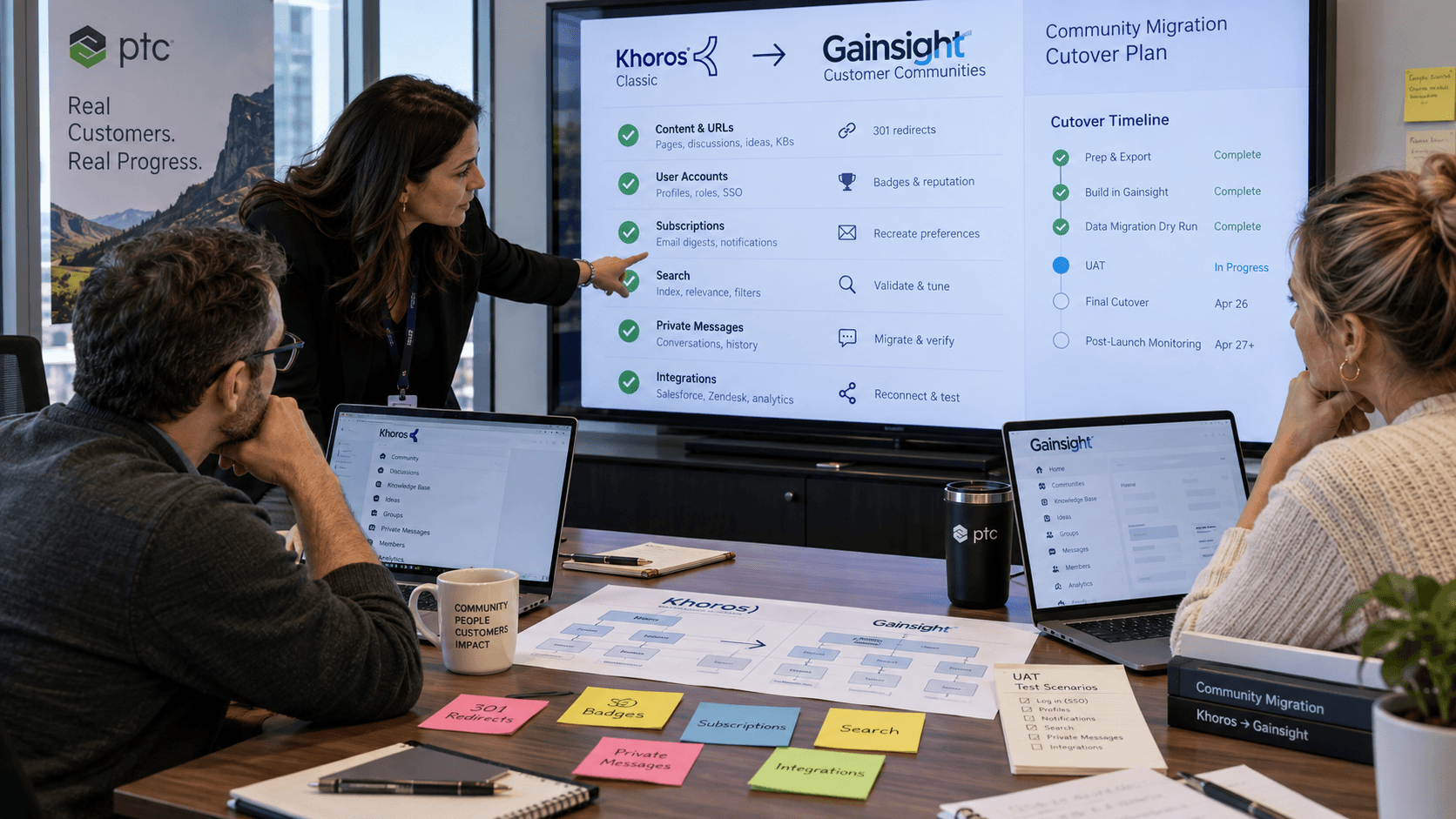
- Make identity simple. Reduce friction with SSO where possible. Offer clear profile value, like badges or role-based spaces.
- Bridge content for 60 to 90 days. Use social for awareness and discovery, but route deeper conversations into the community.
- Create a safety net. Strong moderation and clear rules protect trust fast. Community trust is fragile early on.
The goal is not to abandon social media. It is to change its role. Social becomes the top-of-funnel discovery engine. Your owned community becomes the relationship engine.
Conclusion: Borrowed Platforms Are Great for Reach, Not for Control
Social platforms are still useful. They can spark discovery and amplify ideas.
But if your customer community lives only on borrowed platforms, your customer relationship is not fully yours. You inherit algorithm risk, limited data access, and unpredictable reach. An owned community shifts you from “rented attention” to durable infrastructure. It makes engagement measurable. It makes trust scalable. And it makes your customer ecosystem harder for competitors to copy.
Ready to go deeper? Use Community & Social Engagement: The Future of Customer Experience as your guide to building a community-led CX engine that you actually control.
FAQs
What is the difference between community vs social media?
Community vs social media comes down to control. Social media is a rented distribution channel. A community is a member-based relationship space where you own the experience, rules, and insight.
What does owned vs rented audience mean for enterprises?
Owned vs rented audience means whether you control access to your customers. On social platforms, reach depends on algorithms and policy. In owned channels, you manage identity, data, and engagement rules directly.
What is an enterprise community strategy?
An enterprise community strategy is a plan to use community as part of CX operations. It covers governance, platform integration, programming, and measurement tied to outcomes like retention, support efficiency, and adoption.
How does B2B social engagement fit into an owned community plan?
B2B social engagement is still valuable for discovery and thought leadership. The shift is using social to attract interest, then moving high-intent conversations into the community where relationship-building and data continuity are stronger.
What makes a branded online community successful?
A branded online community succeeds when it delivers clear member value, runs on consistent governance, and connects to CX systems like support and CRM. It should also measure lifecycle impact, not just engagement volume.