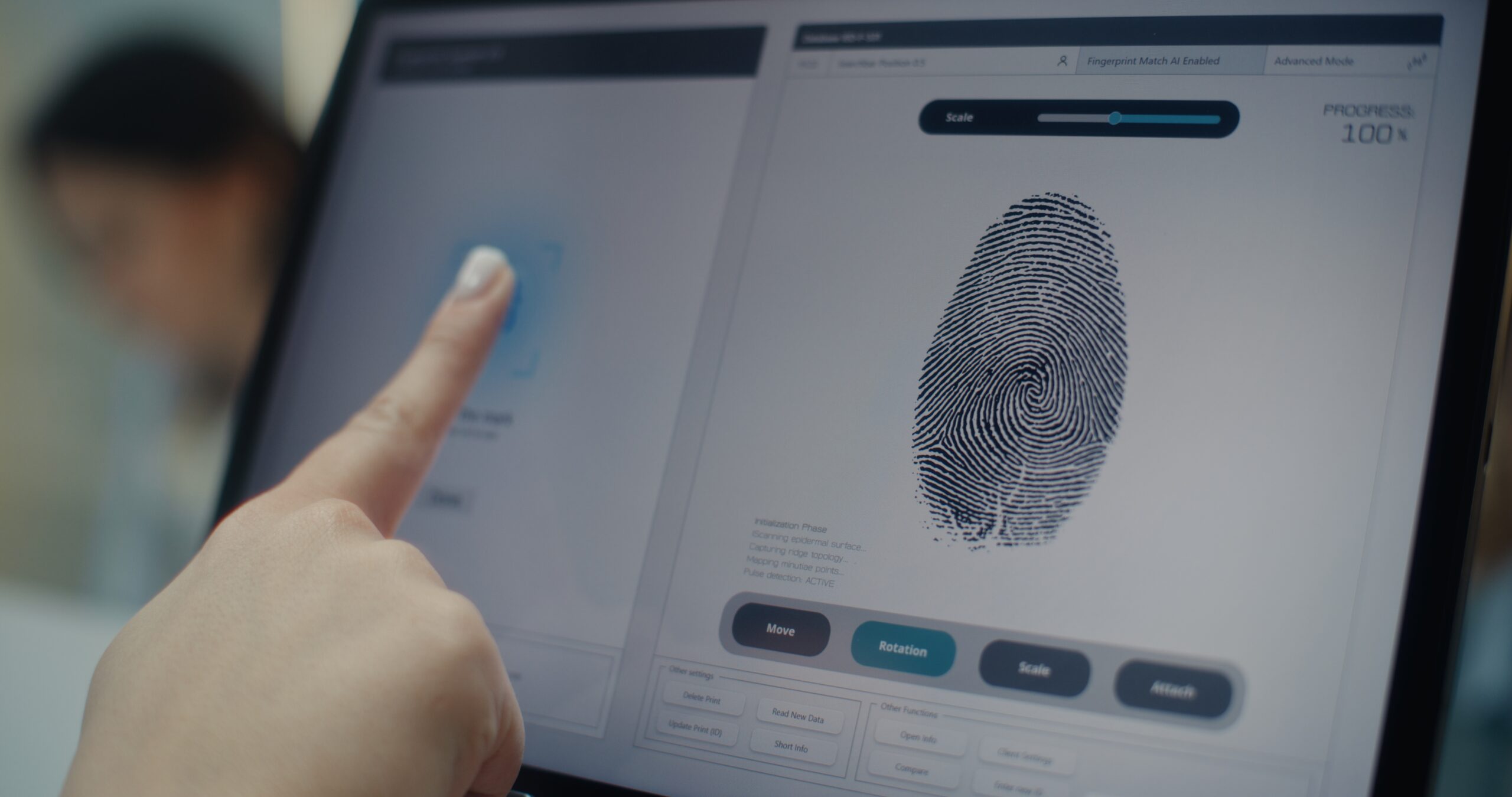

Biometric authentication in CX can reduce fraud and friction, but it can also create serious legal exposure if you treat it like “just another login method.”
Biometric authentication tools, including biometric identity verification using face or voice, rely on sensitive identifiers that are hard to change if compromised. That reality raises the stakes for biometric data protection, the controls behind voice biometrics compliance, and your overall secure authentication strategy.
In practice, this means CIOs and CTOs need to evaluate not only accuracy and user experience, but also governance, storage, lawful basis, retention, cross-border transfers, and incident response.
The goal is simple: deploy biometrics where they measurably improve security and customer trust, without creating compliance risk that outlives the vendor contract.
Read More:
- Are Your CX Security Strategies Ready for 2026? The Trends Reshaping Privacy & Compliance
- Market Map: Top CX Security, Privacy, and Compliance Vendors to Know
- Which CX Platforms Are Actually Secure in 2026? The Security & Compliance Gaps Most Vendors Won’t Talk About
What Makes Biometric Authentication Valuable in CX?
Biometrics can improve the customer experience by reducing the need for repeated “knowledge checks,” such as passwords and security questions. In contact centers, voice matching can speed up identity checks and reduce social engineering success.
The security upside is real when biometrics sit inside a broader secure authentication strategy that includes multi-factor authentication, risk-based step-up, and strong anti-spoofing controls.
The most common buyer mistake is assuming “biometric” automatically means “stronger.” Some programs simply replace one weak factor with another and call it innovation. The real value shows up when you apply biometrics to moments that carry the highest fraud risk or customer frustration, like account takeovers, payment changes, or suspicious support journeys.
Why Does Biometric Data Create Unique Compliance Risk?
Biometric data is different because it is designed to uniquely identify a person. Under GDPR, biometric data used for unique identification is treated as a special category of personal data under Article 9, which brings stricter conditions and safeguards.
This creates three realities for enterprise CX programs. First, you usually need stronger legal justification than you would for standard authentication data. Breach impact is higher because customers cannot “rotate” their face or voice the way they can rotate a password.
Furthermore, secondary use risk is a trap: the moment biometrics drift into analytics, monitoring, or an undefined “future use,” your regulatory exposure expands quickly.
Most biometric programs fail compliance reviews, not because the technology is flawed, but because governance is missing.
What Regulations Apply to Voice and Facial Biometrics?
Global enterprises get burned when they assume there’s a single global rulebook. There isn’t.
In the EU and UK context, GDPR elevates biometric data used for unique identification to the special category under Article 9. UK guidance also emphasizes that organizations must identify an Article 6 lawful basis plus an additional special category condition, alongside appropriate safeguards.
For facial recognition use cases, EDPB guidance is relevant because it focuses on how facial recognition can be used in practice and what that means for data protection obligations.
In the United States, Illinois BIPA is a frequent risk point because it includes requirements tied to notice and consent, and it also requires a written retention schedule and destruction guidelines. In California, “biometric information” is defined broadly, and definitions can include data derived from voice recordings when used to create biometric identifiers.
For CIOs and CTOs, the practical takeaway is that you need a compliance map by region and a policy that still holds up when customers, agents, and vendors operate across jurisdictions.
How Should Enterprises Govern Biometric Identity Systems?
If you want biometrics without compliance risk, governance must lead. Start by defining the purpose in plain language. Make the scope narrow. Avoid “just in case” storage. Then align your data design to the minimum required for that purpose, and document why each biometric step exists. A good test is whether you can explain what security decision the biometric enables and what breaks if you remove it.
Design choices matter as much as policy. Many solutions convert raw voice or facial signals into templates, but these templates remain highly sensitive. Your controls should treat templates as high-impact identity data, with strict access controls, strong encryption, and audit logs that can withstand a real investigation.
Retention is where pilots become liabilities. Your program needs a retention schedule that aligns with the use case, plus enforced deletion for active systems, backups, and downstream processors. Even outside Illinois, BIPA’s retention discipline is a useful benchmark for mature governance.
Finally, build resilience against spoofing and presentation attacks into your requirements, not as an optional upgrade. ISO standards and FIDO certification resources can help teams frame how they evaluate presentation attack detection expectations.
How to Evaluate Biometric Authentication Vendors Safely
Evaluation works best when you score vendors on risk ownership, not only features. These criteria keep the conversation anchored to compliance and operational reality.
Criteria That Reduce Compliance Exposure:
Data handling and residency controls: Verify where biometric data is stored and processed, what regions you can choose, and which subprocessors touch it.
Lawful basis and consent workflows: Confirm the platform supports clear notices, consent capture where needed, withdrawal handling, and audit-ready evidence.
Security controls and identity alignment: Map controls to recognized identity guidance such as NIST digital identity guidelines, then validate encryption, access control, monitoring, and incident response in contract terms.
Model governance and population performance: Require accuracy metrics, known failure modes, drift monitoring, and remediation processes that you can operationalize.
Deletion, portability, and audit proof: Ensure you can delete fully, including archives and backups, and produce proof that stands up under scrutiny.
If a vendor cannot explain their spoofing model, retention approach, and deletion proof clearly, assume your audit team will be the first to discover the gaps.
When Does Biometric Authentication Improve CX Without Increasing Risk?
Biometrics tend to deliver the best CX lift when they reduce friction in high-risk interactions, especially when customers are already frustrated by repetitive identity checks. They also help when fraud pressure is real, when account takeover attempts are rising, or when knowledge-based authentication has become easy to defeat through social engineering.
Biometrics tend to create unnecessary exposure when the journey is low risk, when your legal basis is uncertain, or when your data environment cannot support strong retention and access controls.
If your organization cannot explain lawful basis, retention, and spoofing protections in a one-page control summary, that is a strong signal you are not ready for production.
Innovate Without Creating Compliance Risk
Biometric authentication can be a genuine CX upgrade. It can also become a long-term compliance liability if governance comes second. The safest approach is to treat biometrics as a high-sensitivity identity capability with strict purpose limits, strong retention discipline, and clear vendor risk ownership.
When you build those foundations, biometrics can strengthen security and reduce friction without undermining customer trust.
FAQs
What Is Biometric Authentication in CX?
Biometric authentication in CX is when a company verifies a customer using traits such as voice or face rather than passwords or security questions.
What Are the Security Benefits of Biometric Authentication in CX?
Biometrics can reduce account takeover risk and speed up identity checks when paired with step-up controls and strong anti-spoofing protections.
Why Does Biometric Data Create Unique Compliance Challenges?
Biometric data used for unique identification can be treated as special category data under GDPR Article 9, which brings stricter processing conditions and safeguards.
What Regulations Apply to Voice and Facial Biometrics?
In the EU and UK, GDPR and regulator guidance shape how biometric data can be processed, especially for unique identification. In the US, laws like Illinois BIPA can add notice, consent, and retention requirements.
How Do You Build a Secure Authentication Strategy That Includes Biometrics?
A secure authentication strategy treats biometrics as one factor inside risk-based authentication, enforces tight retention and deletion, and requires strong presentation attack defenses backed by clear governance and audit evidence.