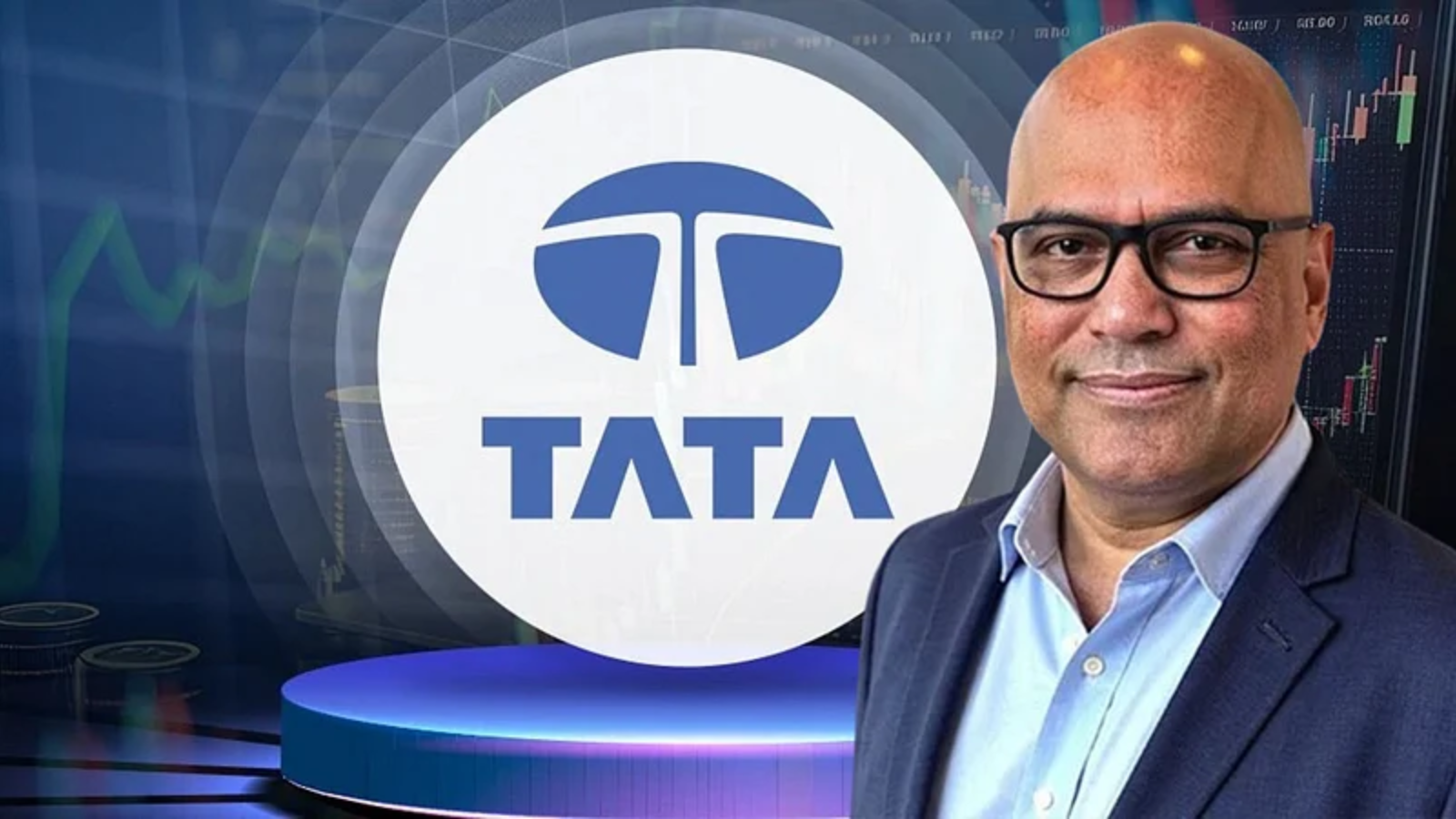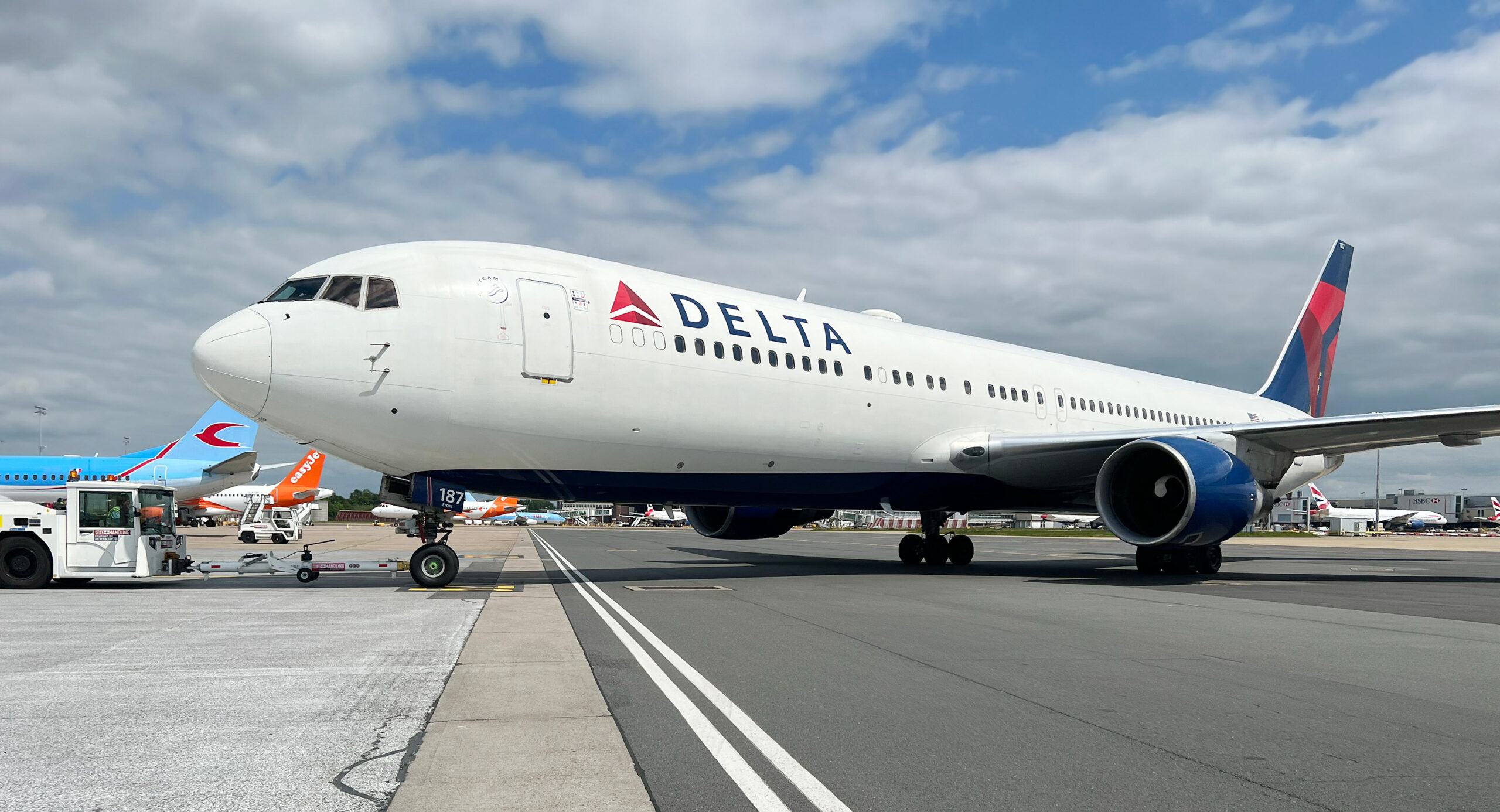

Delta Air Lines CEO Ed Bastian believes AI could make the airline significantly more profitable.
During a recent appearance on the Airlines Confidential podcast, Bastian suggested that smarter decisions across the business could move Delta from a 10% margin to 15%, representing a 50% improvement in profitability.
He said:
“If we could take two, three, four points of our cost down from making smarter, better decisions over a series of several years, my gosh, you look at a margin at Delta, you go from a 10% margin to a 15% margin, it’s a 50% improvement in your profitability.”
For an airline with huge operational complexity, that is an understandably enticing proposition. But AI’s potential role in pricing has caused concern among lawmakers, travelers, and customer experience professionals alike.
The question for Delta is whether it can use AI to improve the passenger journey without making customers feel as though they are being squeezed by a smarter, less transparent pricing machine.
Delta Is Betting on AI Across the Business
Bastian’s comments were not solely about ticket prices.
He pointed to AI’s potential across revenue management, maintenance, crew scheduling, and operational decision-making.
There is plenty of customer upside in that list. Better maintenance predictions could improve aircraft availability and reduce disruption. More accurate crew planning could help Delta recover faster when things go wrong. AI-assisted support tools could also help reservation specialists give customers more consistent answers.
In its official response to US senators, Delta stated that its reservation specialists are already using an AI-integrated knowledge management tool to source answers to complex questions “more quickly and accurately.”
The airline also said its maintenance and crew scheduling use cases could improve “aircraft availability and schedule reliability.”
That last point may be the most appealing to travelers, who will tolerate plenty when the airline gets them where they need to go on time, but are likely to be much less forgiving if the most visible outcome of Delta’s AI investment is a higher fare.
Delta Denies Using Personal Data to Set Fares
Delta recently has been experimenting with AI-powered revenue management technology from pricing vendor Fetcherr.
In 2025, the airline said it planned to deploy the technology across 20% of its domestic network by the end of that year.
At the time, that drew a sharp response from Senators Ruben Gallego, Mark Warner, and Richard Blumenthal, who warned that individualized pricing could mean fare increases up to each consumer’s personal “pain point.”
Delta has strongly rejected that characterization.
“There is no fare product Delta has ever used, is testing or plans to use that targets customers with individualized prices based on personal data,” said Peter Carter, Delta’s EVP and Chief External Affairs Officer, in the official Delta response.
Carter added that the AI functionality uses aggregated data and serves as a decision-support tool for analysts. Delta says its fares are based on publicly available rules and objective criteria, including origin, destination, length of stay, advance purchase, refundability, and cabin selection.
The airline also said customers do not have to sign in to Delta.com or the Fly Delta app to compare prices.
That distinction is seemingly an unofficial dynamic pricing rebuke.
A system where fares shift according to demand, competition, capacity, and timing, has been part of air travel for decades. Delta is not saying it will use browsing history, personal circumstances, or previous purchases to charge one person more than another for the same ticket.
But the public concern is unlikely to disappear simply because the technology is technically not “surveillance pricing.”
Price Is Still Part of the Customer Experience
For customers, the practical experience may still be frustrating.
A traveler sees a fare rise between searches, an upgrade becomes unaffordable, or the price of a family vacation jumps overnight. They are not likely to care whether the adjustment was made by a revenue manager, a traditional rules engine, or an AI system assessing thousands of variables at once.
They will care whether the price feels fair.
That is the issue at the heart of CX Today’s previous examination of dynamic pricing. Consistency and predictability are often as important to customer trust as the price itself.
The Instacart pricing controversy offers a warning for any business looking to use AI in this area.
The grocery delivery company shut down an AI-enabled pricing test following backlash over shoppers allegedly seeing different prices for the same items. Instacart maintained that the tests were randomized rather than personally targeted, but that distinction did little to calm concerns.
Delta’s model is different. Yet the reputational lesson is the same: once customers suspect that pricing is hidden, arbitrary, or designed to test their willingness to pay, trust can quickly erode.
The Operational Upside Must Be Visible to Customers
Delta’s challenge is to ensure the benefits of AI are not confined to its balance sheet.
Bastian said Delta has access to a huge volume of information that it cannot currently use effectively:
“There’s so much data around our business. So much data we don’t use but a small fraction of, because we don’t have the capability and we don’t have the programming.”
AI can change that. It can help Delta predict delays, adjust crew resources, anticipate maintenance issues, and make pricing decisions faster.
However, the airline needs passengers to see the gains too.
If AI means faster rebooking after a cancellation, fewer avoidable disruptions, clearer service answers, and occasional lower fares when demand is softer, customers may accept its growing role.
If it is primarily associated with unpredictable ticket prices, Delta may find that the technology creates more friction than loyalty.
Delta’s Real AI Test
Delta is right to point out that dynamic pricing is not new. It is also right to push back on claims that it is using personal data to target individual travelers.
Still, AI changes the scale and speed of airline revenue management. That makes transparency, explainability, and clear customer value more important.
Bastian sees a route to billions in savings and revenue gains. The harder task will be convincing travelers that AI is making their journey better, rather than simply making their ticket more expensive.