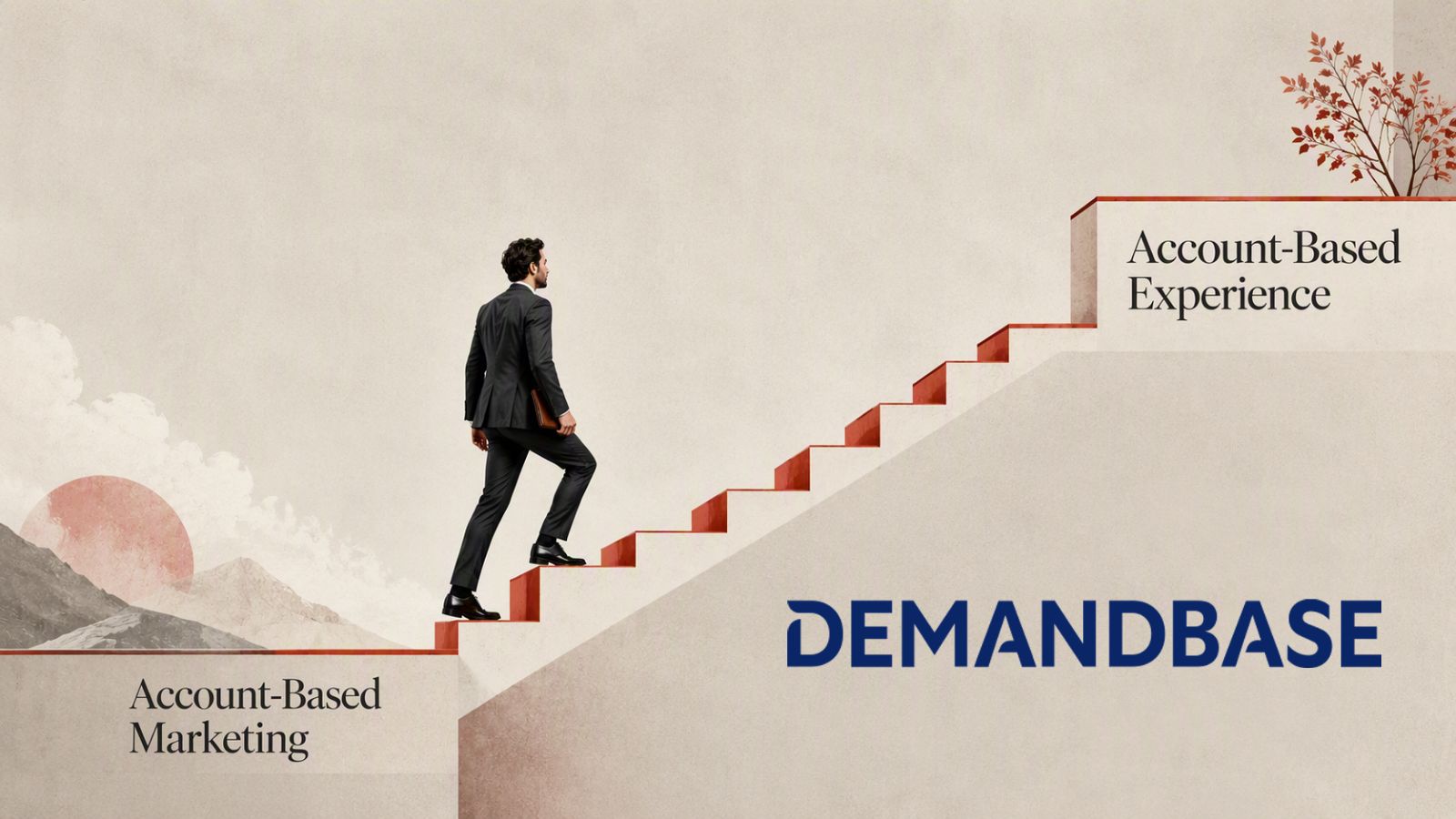

A revenue engine breaks during handoff because teams lack a unified marketing-sales alignment framework. Marketing generates interest, but sales often receive leads without proper context or urgency. This disconnect severely undermines any effective revenue operations strategy.
A broken lead-handoff process guarantees that valuable prospects slip through the cracks. Organizations must prioritize pipeline conversion optimization to survive in a competitive market. True sales marketing-integration requires seamless continuity between departments.
Leaders must evaluate exactly where pipeline value disappears. Reframing operations as continuity management ensures smooth transitions.
Keep Reading:
- WordPress VIP Argues That Saying “AI” Could Be Costing You Customers
- Gartner Data: 49% of U.S. Consumers Say AI Has Made Content Quality Worse
- Has Hyper‑Personalization Gone Too Far in Marketing?
Why Do Leads Lose Value During Handoff?
Leads lose value when critical context disappears between departments. A prospect might share deep pain points during a marketing webinar. However, a flawed lead handoff process fails to pass this data to sales.
Reps then treat warm prospects like completely cold calls. This frustrating experience undermines marketing-sales alignment and annoys potential buyers.
A smart revenue operations strategy captures and seamlessly transfers every interaction. Without proper sales marketing integration, urgency fades rapidly. Prospects lose interest when sellers ask questions they have already answered. Effective pipeline conversion optimization demands immediate, informed follow-up.
What Breaks Between Marketing And Sales?
Communication breaks down when teams operate in isolated data silos. Marketers celebrate high lead volumes while sellers complain about poor quality. This classic divide ruins marketing sales alignment almost immediately. A disjointed lead-handoff process creates massive internal friction.
Much of this friction stems from the technology itself. As Marie Bahl, CMO of Uptempo, recently explained to CX Today, marketing often lacks a single source of truth:
“If you’re talking about an enterprise system that literally everyone else at the C-suite has, marketing does not have it”
Strong sales marketing integration requires shared definitions of a qualified prospect. A modern revenue operations strategy bridges this gap effectively.
When expectations misalign, pipeline conversion optimization becomes completely impossible. Organizations must establish clear service level agreements between these departments.
How Does Misalignment Impact Revenue?
Misalignment directly causes severe revenue leakage across the entire organization. A broken lead-handoff process wastes expensive marketing investments daily.
Poor marketing sales alignment extends the sales cycle unnecessarily. Buyers sense internal confusion and quickly explore competitor options instead.
A unified revenue operations strategy prevents this costly customer churn. Successful sales marketing integration accelerates deal velocity significantly. Without pipeline conversion optimization, companies leave massive amounts of money behind.
Chief Revenue Officers must view alignment as a critical financial imperative. Fixing these transition points yields the highest return on investment.
Where Does Pipeline Conversion Fail?
Conversion fails exactly when prospects transition from automated nurturing to human interaction. This critical juncture requires a flawless lead-handoff process to succeed.
Weak marketing sales alignment makes this transition feel jarring for buyers. A robust revenue operations strategy anticipates buyer needs during this shift.
Flawed sales marketing integration drops the ball when speed matters most. Organizations struggle with pipeline conversion optimization because they lack visibility.
Leaders must track how long leads sit untouched in the CRM. Identifying these specific bottlenecks helps teams restore pipeline health quickly.
How Should Organizations Manage Handoffs Effectively?
Organizations must treat the transition as a shared continuity management task. A successful lead-handoff process relies on automated alerts and rich data.
Perfect marketing sales alignment requires both teams to review lost deals together. An effective revenue operations strategy aligns compensation with overall revenue goals.
Deep sales marketing integration ensures sellers have complete historical context. Continuous pipeline conversion optimization demands regular feedback loops between departments. Teams must agree on exactly when a lead is ready for sales.
Check out the Ultimate Guide to Sales & Marketing Technology to learn more.
FAQs
What is marketing-sales alignment?
Marketing-sales alignment connects both departments through shared goals and data. It ensures teams work together to drive consistent revenue growth.
Why is a revenue operations strategy important?
A revenue operations strategy unifies processes across marketing, sales, and service. It breaks down silos to improve efficiency and customer experience.
How do organizations fix a lead-handoff process?
Organizations fix a lead-handoff process by establishing clear qualification criteria. Teams must share data seamlessly to maintain context and buyer urgency.
What impacts pipeline conversion optimization?
Internal friction and slow response times impact pipeline conversion optimization severely. Smooth transitions between departments keep deals moving forward quickly.
How does sales marketing integration help?
Sales marketing integration aligns technology platforms and team expectations. It ensures sellers have the right information to close deals faster.