
From a major Five9 CCaaS deal to Zuckerberg’s AI agent vision, here are extracts from this week’s most popular news stories.
Five9 Wins $100M Financial Services CCaaS Contract
Five9 has landed a major Fortune 100 financial services CCaaS deal worth approximately $100 million in total contract value.
The five-year agreement will see Five9 serve as a core customer experience platform within the organization’s broader cloud migration.
It is expected to ramp to approximately $25 million in annual recurring subscription revenue once fully deployed.
More importantly, the deal was transacted through Google Cloud Marketplace, providing an early test of whether Five9’s Google partnership can help it win bigger enterprise contact center migrations.
In discussing the news on the company’s Q2 2026 earnings call, Five9 CEO, Amit Mathradas said:
“This was a competitive process against a select group of enterprise-grade CX providers, and we earned it on the strength of our proof of concept and our delivery and execution capabilities.”
Mathradas later clarified during the call that “the award has been for the CCaaS portion of the business” (Read more…).
Cisco Resolves 145,000 Support Cases Using Agentic AI
Agentic AI is beginning to produce tangible CX metrics, with Cisco reporting that AI independently resolved 145,000 support cases.
Having positioned the technology as a tool to improve both service operations and commercial outcomes, this ensures faster support for stronger customer retention.
As a result, CX leaders should treat this as a prompt to measure autonomous AI on customer outcomes instead of cost saving methods or improving response times.
Chuck Robbins, Chair and CEO at Cisco, said the company is using generative and agentic AI to speed up quoting and support resolution, while also improving customer renewals.
“We are using generative AI and agentic systems across our customer experience organization, which is dramatically expediting quote turnaround and case resolution times, as well as driving higher renewal rates.
“In FY 2026, 145,000 support cases were resolved entirely by AI with zero human intervention.”
Zuckerberg Proposes to Transform the Customer Journey with Personal AI Agents for Billions
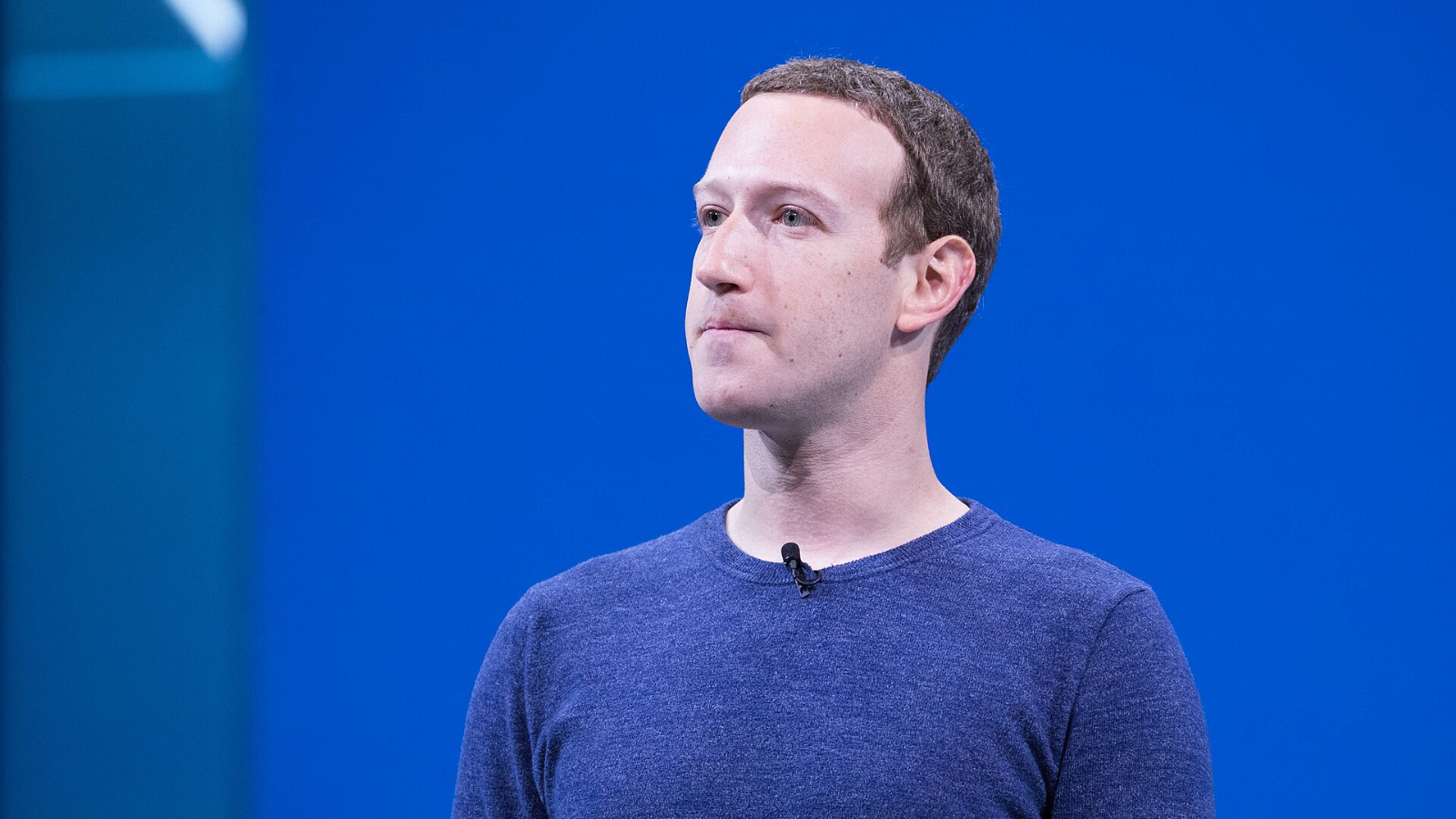
Mark Zuckerberg, CEO of Meta, has outlined a vision for “personal superintelligence” in which individuals use AI agents to pursue goals, manage information and take action on their behalf.
Beyond productivity, this proposal suggests a future in which a customer’s personal agent could filter brand communications, assess offers and handle routine interactions across the journey.
CX leaders should think beyond deploying their own customer service bots and prepare for a market in which customer-side AI expects clear information, reliable permissions and accountable outcomes.
Announcing the essay on X, Zuckerberg intends to use superintelligence to empower individuals rather than centralise power in the hands of institutions.
“I believe everyone should have access to superintelligence, and I wrote a long piece about Meta’s philosophy and values for building a positive future for everyone.”
Supply Chain Attack Exposes 2,500+ Companies in Largest AI Infrastructure Breach of 2026 So Far
A supply-chain attack involving the open-source LiteLLM framework potentially exposed more than 2,500 organizations worldwide, according to research from cybersecurity firm CloudSEK.
CloudSEK described the incident as the largest supply-chain attack targeting AI infrastructure identified so far in 2026. Orchestrated by the Team PCP threat actor group in March 2026, the attack affected approximately 434,000 CI/CD pipelines, which are automated workflows that build, test and deploy software code.
The affected software packages were reportedly available for approximately 40 minutes, but the potential consequences extend well beyond that window.
CloudSEK warned:
“The threat is still live: the FBI’s July 2026 FLASH advisory (FLASH-20260702-01) warns that affiliated actors are likely to weaponize the harvested credentials long after the original intrusion, which means further supply chain attacks remain a real possibility.”
The attack “highlights how compromised AI dependencies can create enterprise-wide security exposure,” the company added (Read more…).