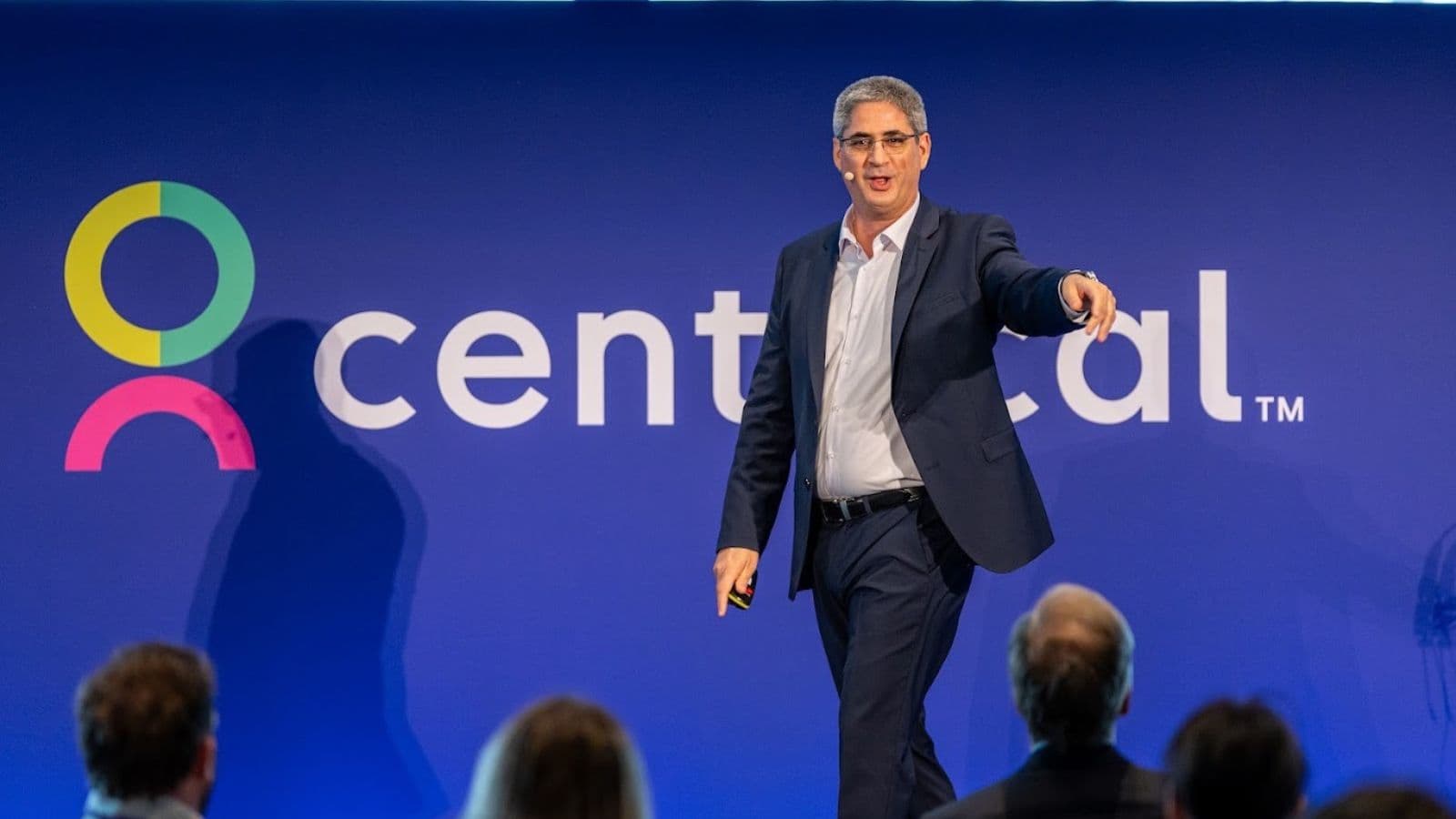


Centrical has raised $39 million in Series D funding to expand its 'Performance Intelligence OS for the frontline,' as enterprise leaders look for practical ways to improve execution as AI reshapes day-to-day work.
The round lands at a moment where CX and HR leaders face the same strategic pressure. They need to adopt AI quickly, and they also need to protect service quality while roles, workflows, and expectations keep changing.
This is a signal that investors increasingly see employee experience and workforce performance as the gating factor that decides whether AI investments improve customer outcomes.
Centrical positions its platform as the layer that closes the gap between performance insight and frontline behavior. It also emphasizes AI-assisted coaching, AI role-play simulations, and closed-loop interventions that connect performance data to guided action.
In a statement tied to the funding news, Gal Rimon, Founder and CEO of Centrical framed the core problem like this:
"We’re building the operating system that closes that gap, guiding employees to the right action, enabling managers to coach what matters, and driving business outcomes autonomously."
For CX leaders, that 'gap' has a familiar shape. Teams can measure handle time, sentiment, QA scores, and conversion. But those numbers do not automatically translate into better customer journeys. Someone still has to change what happens on calls, chats, and follow-ups, and that work is messy.
For HR leaders, the parallel challenge is that role design and capability models are lagging behind AI adoption. That creates friction, inconsistent performance, and frontline anxiety.
Further reading: Check out our 2026 Buyer’s Guide to Workforce Engagement Management (WEM) Platforms.
WEM Is Becoming A Competitive Moat, Not A Nice-To-Have
The more AI enters operations, the more leadership teams need a system that can reliably drive consistent behaviors across thousands of people. That includes new behaviors like supervising AI outputs, escalating edge cases, or handling complex customer emotion when automation fails.
Centrical’s announcement leans hard into the idea that frontline performance is becoming an operational discipline that must run continuously, instead of a quarterly training initiative. In an assessment, Mahila Amjad, Principal at Leeds Illuminate emphasized the “role evolution” theme investors want to back:
"Frontline roles are evolving rapidly, and organizations need to continuously reskill and mobilize employees."
That is where the moat forms. AI will lower the cost of 'good enough' automation for everyone. But the organizations that win will be the ones that build a workforce system that keeps human performance improving while automation changes around it.
Centrical is not alone. In recent months, multiple companies positioned around employee enablement and workforce outcomes have pulled in major rounds. Each one points to the same investor thesis: enterprise AI only becomes real when it becomes a workforce capability.
Multiverse raised $70 million at a $2.1 billion valuation and positioned itself as the ‘AI adoption layer’ that bridges corporate AI ambition to practical outcomes through skills intelligence and AI coaching. Euan Blair, CEO and Founder of Multiverse argued that adoption is not mainly a tooling problem: