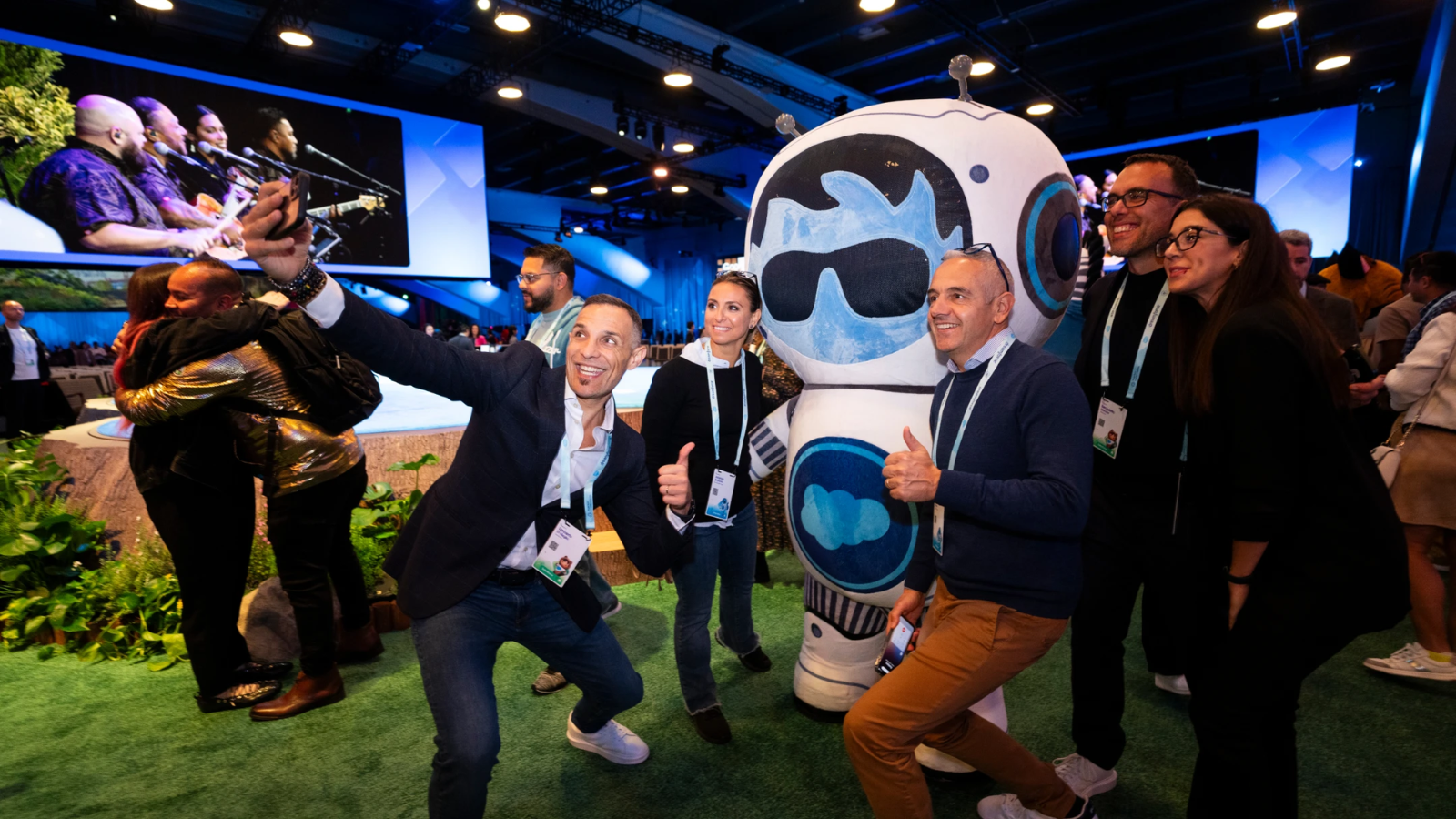

Zendesk has used its annual Relate conference in Denver to declare that the age of the chatbot is over.
At the event, the vendor announced what it is calling the Autonomous Service Workforce: a vision for customer and employee service built around specialized AI agents that, crucially, are priced on outcomes rather than interactions.
The vendor is positioning this as a direct shot at the deflection-first model that has defined and frustrated the contact center bot market for years.
In discussing the news, Tom Eggemeier, CEO of Zendesk, said:
“The era of the chatbot — the era of frustration and deflection — is over. We are entering the age of the autonomous service workforce.”
“We believe every business will soon run on specialized AI agents that work alongside human experts as one unified team. These agents will be more than just code; they will be team members, held to the same high standards of accountability as any human.”
At the core of the announcement is the Zendesk Resolution Platform, a unified system spanning data, intelligence, knowledge, workflows, and governance.
Trained on roughly 20 billion ticket interactions, it operates through what Zendesk is calling the Resolution Learning Loop: a mechanism that captures insights from every interaction to close knowledge gaps and improve automated responses in real time.
Building the Workforce
The practical toolkit announced alongside the platform vision is extensive.
Agent Builder, currently in early access, is a no-code interface that lets companies build, test, deploy, and optimize custom AI agents tailored to their specific policies, workflows, and business logic.
The tool promises to cover front, middle, and back-office service operations from a single control plane.
Zendesk’s existing AI Agents have also been significantly expanded, now running across messaging, email, LLMs, and voice with shared context maintained throughout
Voice AI Agents – moving to general availability later this quarter – will support more than 60 languages, with the ability to switch mid-conversation without losing context.
For contact center leaders managing both external and internal service, Zendesk also announced fully autonomous AI agents for Employee Service, built on its Unleash acquisition.
These operate inside Slack and Microsoft Teams, where they can search across enterprise systems and enforce source-level permissions so employees only access information they are cleared to see.
Keeping Humans in the Loop
On the human agent side, Zendesk has rolled out a series of Copilot updates:
- Agent Copilot: designed to connect to internal and external sources out of the box and take action on at least 30% of tickets from day one.
- Admin Copilot: helps administrators identify operational issues and apply workflow changes in real time.
- Knowledge Copilot: targets content gaps
- Analyst Copilot: targets trend analysis
The quality assurance play is also an interesting inclusion.
Quality Score – coming soon in early access for Suite Professional plans and above – analyzes 100% of human and AI interactions, giving service teams an objective and continuous read on performance.
Paying for Results, Not Activity
Rounding out the announcement is expanded support for Model Context Protocol.
The Zendesk MCP Client allows AI Agents and Agent Copilot to connect to external systems once and automatically pick up new capabilities as tools are added.
The MCP Server will let businesses connect Zendesk tickets, knowledge, and data to external AI systems in a governed way, with early access arriving this summer.
Then there is the pricing model.
Zendesk is doubling down on outcome-based billing, where customers only pay for resolutions that are verified end-to-end, with spam and routine exchanges excluded.
An independent AI evaluation model confirms each resolved interaction before it appears on the bill. Whether that model holds up under enterprise-scale scrutiny remains to be seen, but the direction of travel appears to be that Zendesk wants to be accountable for results, not just activity.
The breadth of what was announced today is hard to argue with.
The bigger question, which may take a few quarters to answer, is whether the Autonomous Service Workforce lands as a coherent platform story or splinters into another collection of features customers have to stitch together themselves.